
laminated glass burglar proof
Understanding Metal Ground Anchors Essential Tools for Stability and Security Metal ground anchors, often referred to as earth anchors or tie-downs, are vital components in ensuring the stability and security of various structures and installations. They are widely used in construction, agriculture, and outdoor recreational activities to provide essential support against wind forces, soil erosion, and other environmental challenges. One of the primary purposes of metal ground anchors is to hold structures securely in place. In construction, they are critical for anchoring temporary structures, scaffolding, and heavy equipment. For instance, when erecting a tent for a festival or event, metal anchors can provide the necessary stability to withstand strong winds and adverse weather conditions. This prevents tents from being uprooted or damaged, ensuring the safety of both the structure and the individuals attending the event. In agricultural settings, metal ground anchors are instrumental in securing fencing and other installations . Farmers often use them to stabilize livestock enclosures, protecting animals from escaping or external threats. Additionally, these anchors are beneficial for attaching tarps or coverings for crops, helping to shield plants from harsh weather and securing them against theft. metal ground anchors The design and material of metal ground anchors vary widely, depending on their intended use. Common materials include steel and galvanized steel, known for their durability and resistance to rust and corrosion. Some anchors are designed with a helical shape, allowing for easy installation by screwing them into the ground, while others might require a more traditional installation method, such as driving them into the soil. Installation is a critical aspect of using metal ground anchors. Proper placement and depth will significantly influence their effectiveness. It is essential to assess the soil condition and environmental factors before installation. For loose or sandy soil, deeper anchoring may be necessary, while more compact soil types may require less depth. In conclusion, metal ground anchors are indispensable tools that provide stability and security across many applications. Whether in construction, agriculture, or outdoor events, their proper usage ensures the longevity and safety of various structures. Understanding their importance and best practices for installation can help maximize their effectiveness, making them a worthwhile investment for anyone looking to secure their property against unpredictable elements.
about
laminated glass burglar proof
The Role of Gate Valves in Plumbing Systems Gate valves are essential components in plumbing systems, serving the crucial purpose of controlling the flow of fluids in pipelines. These valves are designed to either allow or block the passage of water, making them fundamental to the efficient operation of residential, commercial, and industrial plumbing installations. Understanding gate valves, their types, and their applications can help homeowners and plumbing professionals alike make informed decisions regarding their plumbing systems. What is a Gate Valve? A gate valve is a type of linear valve that operates by raising or lowering a gate (or wedge) within the valve body. This mechanism allows for full flow when the valve is open and complete blockage when closed. Gate valves are typically used in applications where minimal pressure drop and low turbulence in the pipeline are required, making them ideal for on/off service rather than flow regulation. Types of Gate Valves There are several types of gate valves used in plumbing systems, each designed for specific applications 1. Rising Stem Gate Valves In these valves, the stem rises as the valve opens, making it easy to visually indicate the valve’s position. This type is commonly used in water supply lines. 2. Non-Rising Stem Gate Valves Ideal for installations with limited vertical space, these valves feature a stem that turns without rising, making them a practical choice for underground or confined spaces. 3. Wedge Gate Valves These valves use a wedge-shaped gate that fits tightly against the valve seat when closed, creating a seal that minimizes leaks. They are widely used in water and sewage applications. 4. Parallel Gate Valves Utilizing a parallel plate, these valves offer minimal throttling when partially open. They are often found in larger pipelines where precise flow control is necessary. Advantages of Gate Valves Gate valves offer several advantages that make them a popular choice in plumbing systems - Low Resistance to Flow When fully open, gate valves provide a straight-line flow path, resulting in minimal pressure drop. This is particularly beneficial in large diameter pipes where high flow rates are required. gate valve in plumbing - Durability Gate valves are known for their robust construction, which can effectively withstand high pressure and temperature variations, making them suitable for various applications. - Simplicity The design of gate valves is straightforward, consisting mostly of a body, gate, stem, and a handle. This simplicity translates into easy operation and maintenance. - Cost-Effective Generally, gate valves are less expensive than other types of valves, especially when high volume flow control is required without pressure regulation. Limitations of Gate Valves Despite their advantages, gate valves do come with certain limitations. They are not ideal for applications requiring frequent adjustments to flow. For example, if you need to throttle or control the flow rate, a globe valve might be a better option. Additionally, due to the design, gate valves can be susceptible to wear and tear over time, especially if they are not regularly operated. Applications of Gate Valves Gate valves find their applications in various areas - Water Supply Systems Used to control the flow of water from municipal sources to individual homes or businesses. - Fire Protection Systems Critical in controlling water flow for fire suppression systems, ensuring that water can be quickly accessible when needed. - Industrial Applications Utilized in manufacturing plants, chemical processing, and oil and gas operations where large flows of liquid need to be managed. Conclusion In conclusion, gate valves play a pivotal role in plumbing systems by providing reliable and efficient control of fluid flow. Their robust design, simplicity, and effectiveness in minimizing pressure loss make them a preferred choice in many applications. However, understanding their limitations and suitable uses is essential for optimal plumbing performance. As plumbing technology advances, gate valves continue to adapt, ensuring their relevance in modern piping systems while contributing to improved efficiency and reliability.
-

High quality industrial productsagement

High quality industrial products
View Details -

Meet the diverse needs of customers

Meet the diverse needs of customers
View Details -

Strict quality control

Strict quality control
View Details -

Top raw materials

Top raw materials
View Details -

Trusted supplier

Trusted supplier
View Details
Our application

news and information

Using a Spirit Level for Accurate and Precise Measurements in Various Applications
Reading a Spirit Level A spirit level is an essential tool for anyone who wants to ensure that surfa
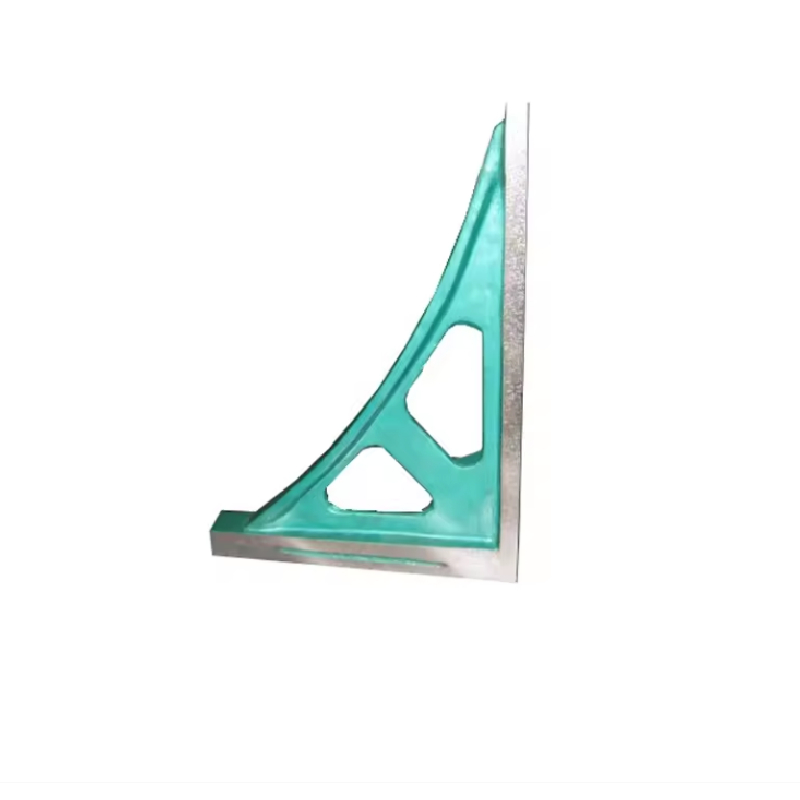
Welding Tables Available for Purchase Online at Competitive Prices
When it comes to welding projects, having the right equipment is crucial to ensure efficiency and qu
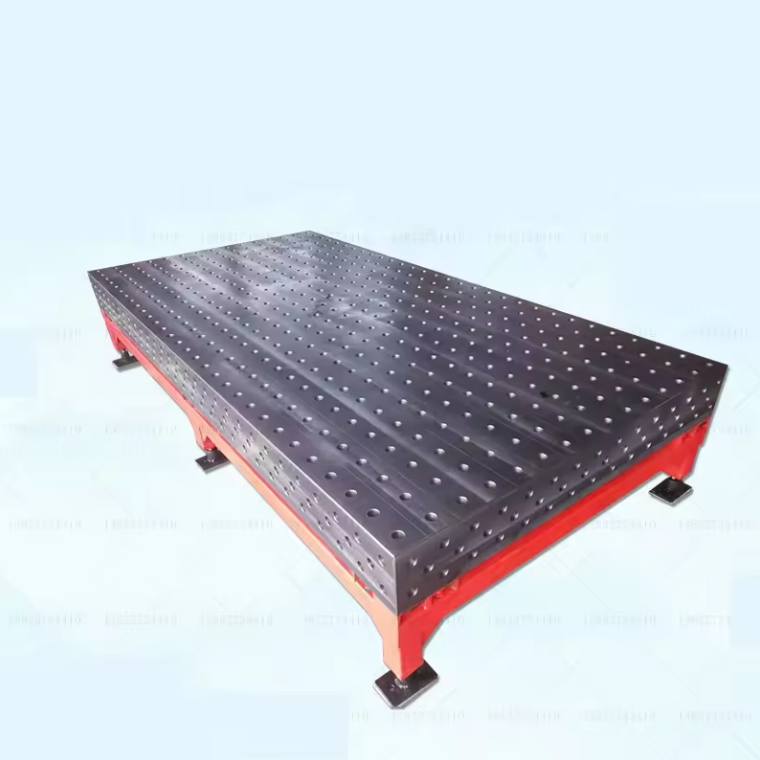
Y Type Strainer Cost Comparison and Market Insights for 2023
Understanding the Price Dynamics of Y Type Strainers Y type strainers are essential components in a
 English